

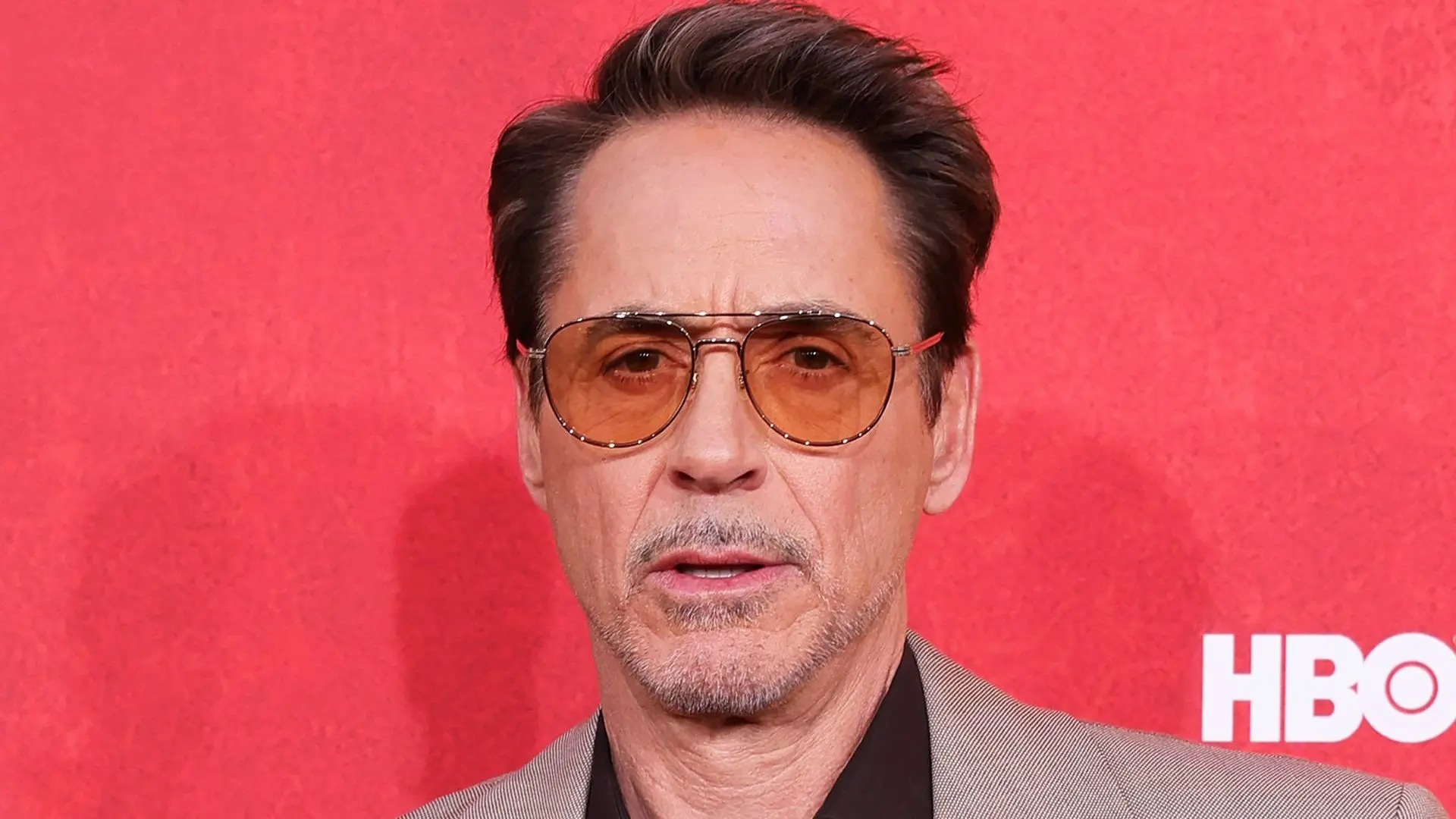
For younger film fans, Robert Downey Jr. is best known as Tony Stark, the brilliant billionaire and superhero Iron Man who helped define the Marvel Cinematic Universe. But long before his rise to global superstardom, Downey Jr. was a young actor navigating the unpredictable world of Hollywood in the 1980s. One of his earliest notable roles came in the 1985 television miniseries Mussolini: The Untold Story, a seven-hour biographical drama about Italy's Fascist dictator Benito Mussolini. It was during the filming of this production that Downey Jr. came perilously close to losing his life in an accident that could have ended his career—and his existence—instantly.
Early Career and the Path to Mussolini
Robert Downey Jr. made his acting debut as a child in his father Robert Downey Sr.'s 1970 film Pound. Throughout the 1970s and early 1980s, he appeared in a handful of small roles before landing a spot in the Brat Pack–adjacent comedy Weird Science (1985). That same year, he was cast as Bruno Mussolini, the dictator's son, in Mussolini: The Untold Story. The miniseries starred the legendary George C. Scott as the lead, a man known for his intense performances and equally intense temperament. For a young actor like Downey Jr., the opportunity to share the screen with a titan of the craft was both thrilling and daunting.
A Disastrous Production in Yugoslavia
The production took place in the former Yugoslavia, a location that posed logistical challenges from the start. According to Downey Jr., the working conditions were far from ideal. The director, William A. Graham, allegedly spent much of his time reading fishing magazines rather than actively directing the cast and crew. This lack of oversight created an atmosphere of chaos and poor communication, especially during complex scenes involving aircraft and pyrotechnics. The tension on set was compounded by George C. Scott's notoriously explosive temper. Scott, who had won an Oscar for his portrayal of General George S. Patton, was a perfectionist who demanded precision from everyone around him.
The Near-Fatal Incident
The most harrowing moment of the shoot occurred during a scene where Downey Jr. was instructed to walk past an airplane while Scott delivered his lines in a close-up shot. The airplane's engine was running, and the propeller was spinning at full speed—a massive, whirling blade that could slice through a human body without slowing down. Downey Jr. recalled in a later interview that he was supposed to walk in a specific path, but in the confusion of the moment, he almost walked directly into the rotating propeller. The distance between him and death was less than a second. In his own words: "I was almost about to run into that damn propeller. It made sense to me to go through it. It seemed like my goal was on the other side of it."
What prevented the actor from making a fatal misstep was the quick action of his co-star Gabriel Byrne, who played a small role in the series. Byrne—later known for The Usual Suspects and In Treatment—saw the danger and physically pulled Downey Jr. away from the spinning blades, likely saving his life. The incident was over in a heartbeat, but its impact reverberated through the set.
George C. Scott's Fury
No sooner had Byrne saved Downey Jr. than George C. Scott began shouting. The close-up take had been ruined, and Scott was furious. He screamed at the young actor: "You stupid asshole! Watch where you're going!" It was a moment that encapsulated the high-pressure environment of the production. Scott's outburst was not unusual; he was known for his volatile reactions when things went wrong. Years later, Downey Jr. would reflect on the experience with a mix of gratitude and humor, acknowledging that the near-death incident was a stark reminder of the fragility of life on a film set. He expressed immense gratitude to Gabriel Byrne, whom he credited with saving his life.
The Aftermath and Career Impact
Mussolini: The Untold Story received mixed reviews but gained some notoriety for its historical scope and George C. Scott's commanding performance. For Downey Jr., the role of Bruno Mussolini was a stepping stone that led to more prominent parts in the late 1980s, including Less Than Zero and Chaplin, the latter earning him an Oscar nomination. His journey from that dangerous set in Yugoslavia to becoming the face of Marvel's Iron Man franchise is a testament to his resilience and talent. The incident did not deter him from pursuing challenging roles, but it certainly left an indelible impression about the importance of safety on set.
Legacy of the Near-Death Experience
The story of Robert Downey Jr.'s near-decapitation has been recounted in several interviews and articles, often cited as one of the most dramatic behind-the-scenes incidents in television history. It highlights the often chaotic nature of filmmaking in the 1980s, especially in locations with limited resources and oversight. Today, Downey Jr. is one of the most bankable stars in the world, commanding millions per film and enjoying a career that continues to evolve. He has spoken publicly about his past struggles with addiction and how he turned his life around, but the brush with death on the set of a war series is a reminder that even the brightest stars can come close to extinguishment before they shine. As for Gabriel Byrne, the actor who intervened, he regards the incident as a moment of instinct rather than heroism—but Downey Jr. knows better. That single act of awareness saved the future Iron Man, allowing him to go on to entertain billions around the globe.
The story also serves as a cautionary tale about the dangers of complacency on film sets. In an era when blockbuster productions rely on complex stunts and heavy machinery, the near tragedy that befell Downey Jr. underscores the need for rigorous safety protocols. Without proper communication between the director, actors, and crew, the consequences can be fatal. The 1985 miniseries may have been forgotten by many, but the memory of that spinning propeller and the quick thinking of a co-star remains a vivid chapter in the biography of one of Hollywood's most beloved stars.
Source: KINO News