

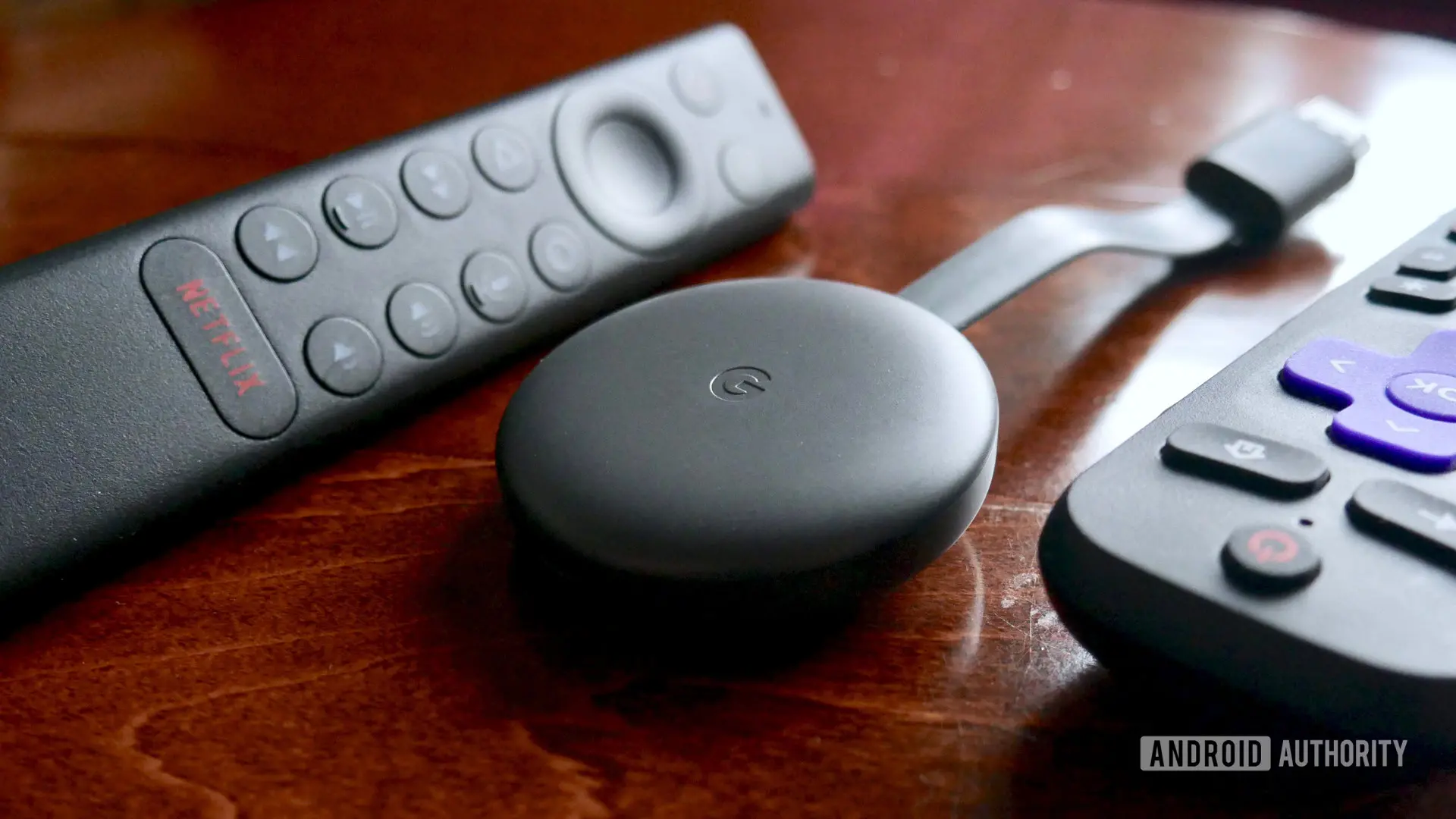
There is arguably no single product more responsible for ushering in the modern era of TV streaming than Google's humble little Chromecast. With a few bucks and an HDMI port, anyone could transform a dumb TV into a modern streaming marvel — or simply bypass the disappointing built-in apps of a smart TV. Recently, however, a concerning number of users began reporting problems with streaming to Chromecasts, and fears mounted that this might signal the end of an era. Today, there is good news: Google has shared an update confirming a fix has been deployed.
The Outage: What Happened?
Earlier this week, reports piled up across social media and forums like Reddit, with users complaining that their Chromecast devices could not establish connections with casting apps. Streaming services such as Netflix, YouTube, Hulu, and Disney+ suddenly failed to cast content. The outage seemed widespread, affecting both first-generation devices and newer Chromecast models. Rumors quickly took off — some speculated that Google was quietly abandoning the Chromecast line, while others pointed fingers at streaming services turning their backs on the protocol.
The timing was particularly jarring because Chromecast had already faced challenges. In late 2025, Netflix began blocking access for certain older Chromecast models, citing DRM compliance issues. That move caused a wave of frustration among users who relied on those devices. This latest outage, though temporary, felt like a death knell to many.
Google's Response
Initially, Google remained silent. But as the outcry grew, a company representative posted on a Reddit thread: "We are investigating an issue impacting the ability to cast some services on Chromecast devices. We'll circle back with an update as soon as we can. Thank you for your patience." That statement, while noncommittal, offered a glimmer of hope — it did not say the party was over.
Later that same day, Google returned with an even more promising update: "The issue impacting the ability to cast some services to Chromecast devices has been resolved." The fix appeared to roll out automatically, without requiring any firmware updates or user intervention. Many users reported their devices springing back to life within hours.
The Technical Background
Chromecast relies on a discovery protocol called DIAL (Discovery and Launch) combined with Google's Cast SDK. When a casting problem occurs, it often stems from certificate expiration, server-side authentication failures, or changes in the way apps communicate with the device. This particular outage was likely triggered by an expired security certificate or a misconfiguration on Google's end. The quick fix suggests it was a revocable server-side issue rather than a fundamental hardware incompatibility.
Google has long maintained that Chromecast devices are designed to work without regular updates — the heavy lifting happens on the casting app and cloud servers. This design philosophy has allowed first-generation Chromecasts, released over a decade ago, to remain functional for basic tasks. However, it also means that Google can inadvertently break things with server-side changes, as seen this week.
What This Means for Chromecast's Future
The outage reignited debates about the longevity of streaming hardware. Chromecast, once revolutionary, now competes with full-fledged Google TV devices, Roku, Amazon Fire TV, and built-in smart TV platforms. While Google has not officially discontinued the Chromecast brand, the company has shifted focus to Google TV-powered devices like the Chromecast with Google TV and newer models. The Chromecast Ultra and Chromecast Audio have already been discontinued.
Nevertheless, millions of first- and second-generation Chromecasts still live in homes worldwide. Their simplicity and low cost make them ideal for secondary TVs, guest rooms, and setups where a full streaming interface is unnecessary. For now, Google's quick fix reassures users that these devices are not being phased out imminently. But the incident serves as a reminder that, without official update commitments, any future glitch could become permanent.
Industry Reactions
Industry analysts have weighed in regarding the outage. Technology writer Sarah Mitroff noted on social media that the incident "highlights the fragility of cloud-dependent hardware." Others pointed out that Google's silence during the early hours of the outage was damaging to trust. However, the company's swift resolution received praise. Streaming service providers, who were initially blamed, expressed relief that the issue was not on their end.
Reddit threads that had been filled with frustration now turned to celebration. Users posted screenshots of their Chromecasts working again, and many acknowledged that they had already started shopping for replacements. One user wrote: "I was about to toss my old Chromecast in the bin. Glad I waited."
Lessons for Consumers
The outage provides a case study in the pitfalls of cloud-dependent streaming devices. For consumers, it reinforces the importance of having backup options — even a cheap HDMI stick can fail if the ecosystem behind it hiccups. It also underscores the need for Google to offer clearer communication during outages. A public status dashboard or faster social media updates would go a long way toward calming panic.
On the bright side, the incident shows that Google still cares about its legacy Chromecast devices, at least enough to fix widespread outages. Whether that remains true in another two or three years is uncertain. But for now, millions of users can continue enjoying their favorite shows, movies, and music via their trusty little dongles.
How to Check Your Chromecast
If you were affected and your Chromecast is still not working, Google recommends contacting support. Most users, however, should find that casting functions have been restored automatically. To verify, try casting from a supported app like YouTube or Netflix. If the cast icon appears and connects without error, the fix is in place. If problems persist, restarting the Chromecast and the casting device can help.
Google has not detailed the exact cause of the outage, nor has it promised any special measures to prevent recurrences. Security researchers speculate that a root certificate may have expired, causing handshakes to fail. Server logs likely hold the full story, but Google has not made them public.
The Bigger Picture: Chromecast's Legacy
Introduced in 2013, the original Chromecast fundamentally changed how we watch TV. It bypassed complicated set-top boxes and put streaming control in the palm of your hand via a smartphone. The concept was so successful that competitors quickly mimicked it. Today, every major streaming platform supports Google Cast — a testament to its ubiquity. Even smart TVs from Samsung and LG now support casting directly.
Despite its age, the original Chromecast remains in use because it "just works." No remote, no interface to navigate, no updates to install. That simplicity is its strength. But it also leaves it vulnerable to exactly this kind of server-side failure. The fact that Google could fix it in less than a day suggests that the company still maintains the infrastructure behind it. That is a positive sign for the future.
Still, consumers should be realistic. Google has not announced any new Chromecast models, and the Google TV platform is clearly the company's focus. The Chromecast with Google TV offers a vastly superior experience with an on-screen interface, remote control, and app support. For those willing to pay a bit more, it is a worthy upgrade. But for millions who just want to cast from their phones to an old TV, the original Chromecast remains a viable option — at least for now.
The outage of May 2026 will be remembered as a scare that ended well. It reminded the streaming community how much we depend on these small, unobtrusive devices. It also demonstrated that Google can respond quickly when needed. Whether that responsiveness will persist as the user base ages remains to be seen. But for this week, Chromecast lives on.
Source: Android Authority News