

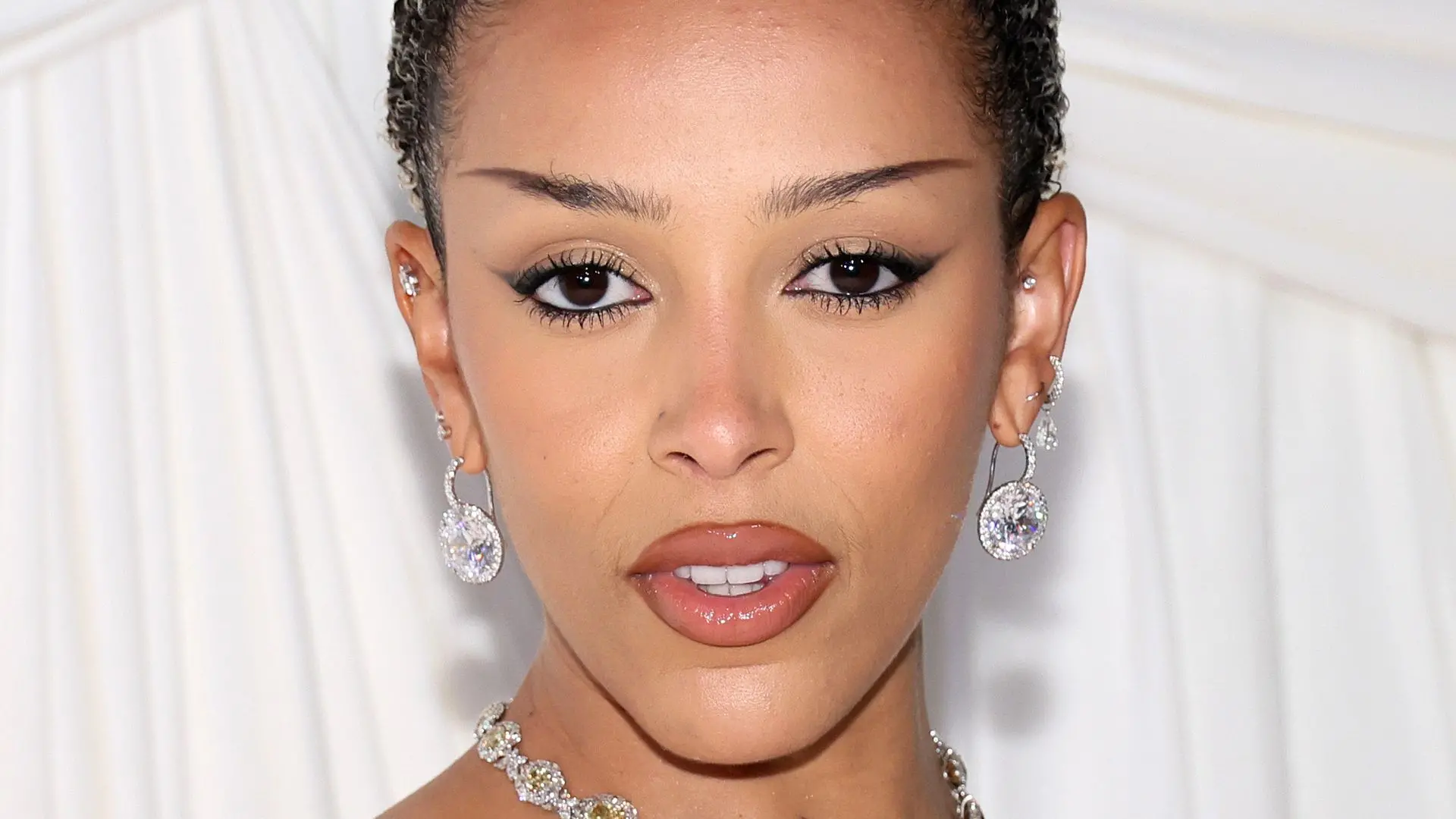
Doja Cat (30) has given a deeply personal interview to Elle UK, shedding light on how her borderline personality disorder (BPD) shapes her romantic experiences. The candid conversation was accompanied by a provocative photoshoot featuring the singer in lingerie, emphasizing her openness about vulnerability and strength.
One of the most striking admissions Doja made was about the constant internal battle with trust and abandonment. "If I have a boyfriend and he just goes to run some errands, my brain thinks he's breaking up with me", she told the magazine. "I have to fight against it and teach myself that it's not happening. I am safe." This raw insight into her daily mental struggle highlights the extreme emotional swings characteristic of BPD, where perceived rejection can feel as real as an actual event.
She further explained the duality of her public persona: outwardly, she deliberately builds walls to appear invulnerable, but inwardly she is far more fragile. "I do these things on purpose to feel strong. And I am strong. But not that strong. It's a mask," she said. This contrast between her confident stage presence and her private anxiety underscores the complexity of living with a personality disorder while being one of the most watched pop stars in the world.
Borderline Personality Disorder: A Closer Look
Doja first disclosed her BPD diagnosis months ago in a TikTok video, acknowledging that she has been in therapy for years and continues to "fight." According to the Mayo Clinic, borderline personality disorder is a mental health condition that affects how individuals perceive themselves and others, leading to significant difficulties in daily functioning. Symptoms often include intense mood swings, impulsive behavior, unstable relationships, and a chronic fear of abandonment. The disorder affects roughly 1.6% of the general population but is far more common in clinical settings.
Experts note that romantic relationships are particularly challenging for people with BPD because the condition amplifies emotional responses to perceived slights. The fear of abandonment can trigger frantic efforts to avoid real or imagined separation, leading to a cycle of clinginess and withdrawal. Doja's experience of automatically assuming a partner leaves her when they step out is a classic example of 'abandonment sensitivity.' Effective treatment often involves dialectical behavior therapy (DBT), which teaches skills to manage intense emotions and improve interpersonal effectiveness.
The Mask of Strength and Celebrity
Doja Cat's admission that her tough exterior is a mask aligns with broader discussions about the pressures of fame on mental health. In an industry that demands constant performance, both on and off stage, many artists struggle to show vulnerability. By publicly revealing her diagnosis and its symptoms, Doja joins a growing list of celebrities – such as Selena Gomez, Lady Gaga, and Kanye West – who have spoken openly about mental health, helping to destigmatize conditions like BPD.
Her honesty resonates especially with younger fans, many of whom face similar challenges. A study published in the Journal of Clinical Psychology found that celebrity disclosures can reduce stigma and encourage people to seek help. However, critics sometimes argue that oversharing can trivialize serious conditions or invite unsolicited advice. Doja herself seems aware of this balance; in the Elle interview, she emphasized that while she wants to be honest, she also craves privacy for her personal life.
World Tour and Planned Hiatus
Beyond mental health discussions, Doja also spoke about her upcoming schedule. Her ongoing world tour, titled "Tour Ma Vie," will bring her to the United Kingdom for several concerts later this month, followed by dates across Europe and the United States. The tour is set to conclude in November with a performance at New York's iconic Madison Square Garden. After that, Doja revealed she intends to take a three-year break from music. "I think I want to take three years off. I just want to do what I want," she said, suggesting she needs time to decompress and focus on herself without the pressure of constant touring and public appearances.
This planned hiatus is not unusual for artists who have been on a relentless promotional schedule. Since her breakthrough in 2018 with "Say So," Doja Cat has released multiple albums, collaborated with top artists, and cemented her place as a pop culture icon. However, the relentless pace – combined with the emotional toll of managing BPD in the public eye – has likely contributed to her desire to step back.
The announcement also comes at a time when the music industry increasingly acknowledges the need for mental health breaks. Stars like Shawn Mendes, Lizzo, and Sam Smith have all taken time off for similar reasons, setting a precedent that prioritizes well-being over constant output. Doja's decision could inspire other artists to recognize their limits and prioritize their health.
Career Highlights and Impact
Doja Cat, born Amala Ratna Zandile Dlamini, rose to fame with her viral hit "Mooo!" in 2018, which showcased her quirky humor and genre-blending style. She followed with the album Hot Pink (2019), featuring the Grammy-nominated single "Say So," and then Planet Her (2021), which produced chart-toppers like "Kiss Me More" and "Need to Know." Her music often defies categorization, mixing pop, R&B, hip-hop, and electronic elements. She has won multiple awards, including a Grammy for Best Pop Solo Performance for "Say So." Beyond music, she is known for her bold fashion choices and unapologetic social media presence, which has both won her legions of fans and sparked controversies.
Her openness about BPD adds a new layer to her public image. While she has always been known for her candidness – whether discussing her sexuality, her racial identity, or her struggles with body image – the revelation about her diagnosis has deepened fans' understanding of her art. Many have noted that songs like "Woman" and "Ain't Shit" explore themes of empowerment and betrayal, which might now be viewed through the lens of her BPD experiences.
Response and Ongoing Conversation
Public reaction to Doja's Elle interview has been largely positive. A poll featured at the bottom of the original article asked readers for their take; options included "Strong and important – such insights can really make a difference!" and "Brave, but I would prefer a bit more privacy." This reflects a nuanced public sentiment that values authenticity while also respecting boundaries. Mental health advocates have praised Doja for using her platform to normalize conversations about BPD, which is often misunderstood and stigmatized even within the mental health community.
As Doja continues her tour and prepares for a break, she leaves behind a legacy of not just musical innovation but also courageous honesty. Her story serves as a reminder that behind the glittering exterior of a global superstar, there can be profound struggles – and that acknowledging them is a form of strength. For now, fans will have to wait until November to see her final shows of this era, after which Doja will step away from the spotlight to focus on her own well-being.
Source: Promiflash.de News