

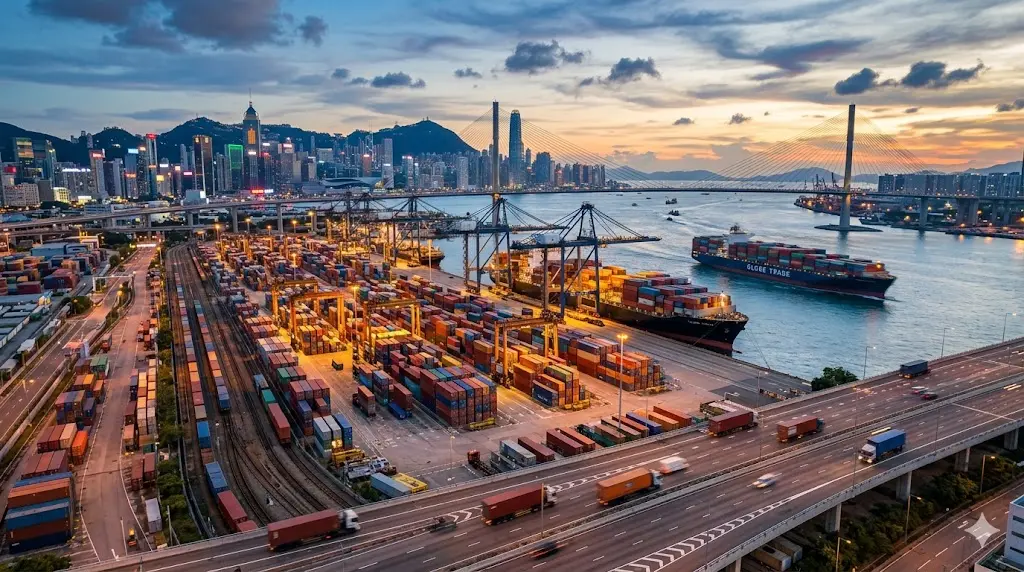
Cross-border trade is changing the way businesses invest, expand, and compete across global markets. Companies no longer rely only on local demand. Instead, they’re chasing international supply chains, emerging consumer markets, and faster digital trade systems that make global expansion easier than it was even five years ago.
What most people overlook is that trade and investment are now deeply connected. When goods move faster across borders, capital follows. That shift is pushing investors toward logistics hubs, manufacturing corridors, fintech platforms, and international real estate tied to trade activity.
Cross-border trade is reshaping international investment trends because businesses now invest where supply chains, consumers, and trade agreements create long-term growth opportunities. Rising digital commerce, regional manufacturing shifts, and faster international payments are encouraging companies and investors to expand beyond domestic markets.
What Is Cross-Border Trade and Why Does It Matter?
Cross-border trade refers to the exchange of goods, services, technology, and capital between countries through imports, exports, and international business agreements.
Here’s the thing. Trade used to be dominated by massive corporations with deep pockets. Now smaller firms, startups, and even solo entrepreneurs can sell globally thanks to e-commerce systems, digital payment platforms, and international logistics networks.
That change is influencing global investment behavior in a big way.
Investors are paying closer attention to countries with growing export industries, stable trade agreements, and modern infrastructure. If a region becomes important for manufacturing or shipping, money usually pours in soon after.
You can already see this happening across Southeast Asia, the Middle East, and parts of Eastern Europe where companies are shifting operations to reduce supply chain risks and improve production efficiency.
Definition Box
International investment trends: Patterns showing where businesses, institutions, and private investors are moving capital across countries to generate future returns.
Why Cross-Border Trade Matters in 2026
Cross-border trade matters more in 2026 because global business expansion is no longer optional for many industries. Companies that stay local often struggle to compete on pricing, production speed, and market reach.
A few years ago, many firms focused heavily on single-country supply chains. That approach looked efficient until disruptions exposed how fragile it could be. Now businesses are diversifying operations across multiple regions.
In my experience, this is one of the biggest reasons international investment is accelerating right now.
Money follows resilience.
If a country offers manufacturing incentives, efficient ports, and strong trade partnerships, investors notice quickly. That’s why international capital is increasingly moving toward countries improving logistics infrastructure and digital trade systems.
How Digital Trade Is Driving Investment
Digital commerce has removed many of the traditional barriers to global expansion. A business in one country can now serve customers across continents without opening physical branches everywhere.
That sounds obvious, but the investment impact is massive.
Investors are backing:
Cross-border payment companies
International warehousing networks
Trade-focused fintech startups
Global shipping technologies
Export-driven industrial zones
What most guides miss is that technology isn’t replacing traditional trade. It’s making trade faster and more scalable.
A manufacturer can source materials from one country, assemble products in another, and sell directly to consumers worldwide. That creates entirely new investment opportunities around logistics, data infrastructure, and regional production hubs.
Expert Tip
Companies expanding internationally should pay attention to regional trade agreements before choosing investment destinations. Lower tariffs and smoother customs procedures often matter more than cheap labor alone.
How Cross-Border Trade Influences International Investment — Step by Step
Understanding the connection between trade and investment becomes easier when you break the process down.
1. Businesses Search for Growth Markets
Companies eventually hit growth limits in domestic markets. When that happens, they look abroad for new customers, lower production costs, or access to raw materials.
That expansion creates demand for foreign investment.
For example, an electronics manufacturer entering Southeast Asia might invest in local factories, warehouses, transportation systems, and staffing operations.
2. Investors Follow Trade Activity
Trade-heavy regions often attract investors because economic activity tends to rise around export and import hubs.
Ports, highways, industrial parks, and logistics centers suddenly become valuable assets.
I’ve seen investors ignore a region for years, then rush in once trade volume increases. It happens faster than most people expect.
3. Governments Introduce Trade Incentives
Countries competing for foreign investment frequently create tax benefits, export incentives, and infrastructure programs.
Those policies can dramatically influence international investment trends.
A nation improving customs efficiency or reducing import duties becomes more attractive almost overnight.
4. Supply Chains Expand Across Borders
Modern supply chains rarely stay inside one country anymore.
A fashion brand might design products in Italy, manufacture them in Vietnam, and distribute them through warehouses in the UAE and Germany.
Each stage creates investment opportunities tied to transportation, technology, staffing, and real estate.
5. Financial Markets React
Once trade activity rises, financial markets often respond positively.
Foreign direct investment increases. Currency demand can strengthen. Real estate development accelerates. Local startups receive more international funding.
That cycle tends to reinforce itself.
Expert Tip
Investors looking at emerging markets should study export growth trends alongside GDP data. Export expansion often signals future infrastructure and commercial development earlier than headline economic reports do.
Why Supply Chain Shifts Are Changing Global Investment Patterns
One unexpected trend is that companies are moving away from relying on a single manufacturing country.
That’s creating a broader spread of investment across multiple regions.
Instead of concentrating operations in one market, businesses are building regional production networks. This approach reduces disruption risks while improving delivery speed.
Here’s a realistic example.
A furniture company based in Europe may now source timber from Canada, manufacture parts in Vietnam, assemble products in Poland, and distribute inventory through Middle Eastern trade hubs.
Every one of those steps creates investment demand.
Warehouses need financing. Ports require expansion. Technology platforms must handle customs and shipping data. Commercial real estate values often rise around trade corridors.
This is why international investment trends are becoming more geographically diverse.
The Role of Emerging Markets in Cross-Border Trade
Emerging markets are becoming central players in global trade expansion.
Countries with younger populations, improving infrastructure, and manufacturing potential are attracting major international attention.
What’s interesting is that investors are no longer focused only on low labor costs. Stability, connectivity, and digital infrastructure matter just as much now.
A country with modern internet systems and efficient logistics can outperform cheaper competitors that still struggle with transportation bottlenecks.
That shift is creating opportunities in:
Industrial real estate
Renewable energy projects
International banking systems
Smart logistics infrastructure
Regional manufacturing clusters
At least from what I’ve seen, investors increasingly want long-term trade ecosystems rather than short-term production savings.
Expert Tip
Trade-friendly emerging markets often experience secondary investment booms in housing, retail, and transportation after manufacturing activity increases.
Common Misconception About Cross-Border Trade
Bigger Trade Volume Doesn’t Always Mean Bigger Profits
A lot of people assume that more international trade automatically creates stronger investment returns.
Not always.
Rapid trade growth can sometimes pressure local businesses, increase currency volatility, or create infrastructure strain. Investors who chase hype without understanding regional economics usually run into problems eventually.
Here’s my hot take: the smartest international investors often avoid the most heavily advertised trade markets.
Why?
Because overlooked mid-sized economies sometimes offer stronger long-term growth with less competition and lower operational costs.
That’s probably not the flashy answer people expect, but it’s true more often than not.
Expert Tips That Actually Work
If you’re trying to understand where international investment trends are heading, focus less on headlines and more on trade movement patterns.
Trade routes tell stories before markets fully react.
Watch where:
New ports are being developed
Manufacturing incentives are increasing
Export agreements are expanding
Logistics companies are investing heavily
International retailers are opening distribution centers
One thing I learned from tracking investment cycles is that infrastructure spending often signals future economic expansion earlier than stock markets do.
Another overlooked point? Smaller regional trade partnerships are becoming surprisingly influential. Businesses no longer need massive global reach to attract foreign investment. Strong regional connectivity can be enough.
And honestly, that shift might reshape global commerce more than giant multinational deals over the next decade.
How Cross-Border E-Commerce Is Accelerating Investment
Cross-border e-commerce has dramatically reduced entry barriers for businesses of all sizes.
A skincare brand in South Korea can now sell directly to customers in Europe and North America without building physical retail stores everywhere.
That changes investment behavior because businesses need:
International fulfillment centers
Digital payment systems
Overseas marketing operations
Local compliance solutions
Faster shipping infrastructure
Investors see those needs and move capital accordingly.
This is one reason logistics technology and warehousing sectors continue attracting attention worldwide.
People Most Asked About Why Cross-Border Trade Is Reshaping International Investment Trends
How does cross-border trade affect foreign direct investment?
Cross-border trade increases foreign direct investment by encouraging companies to expand operations into new markets. Businesses often invest in factories, logistics systems, and regional offices where trade demand is rising.
Why are investors focusing on emerging markets?
Emerging markets often offer faster economic growth, expanding consumer populations, and improving infrastructure. Investors see long-term potential where trade activity and industrial development are increasing together.
What industries benefit most from global trade expansion?
Logistics, manufacturing, fintech, renewable energy, e-commerce, and commercial real estate usually benefit strongly from rising international trade activity. Technology supporting global transactions also attracts major investment.
Is cross-border e-commerce changing international investment?
Yes. Cross-border e-commerce is creating investment demand for warehouses, shipping networks, digital payment systems, and global fulfillment operations. Even smaller businesses can now participate in international trade.
What risks come with international investment trends?
Currency fluctuations, political instability, regulatory changes, and supply chain disruptions remain major risks. Smart investors usually diversify across multiple regions rather than depending on one market.
How do trade agreements influence investments?
Trade agreements reduce tariffs and simplify international business operations. That often encourages companies to invest more heavily in regions with favorable trade conditions.
Will global trade continue growing in the future?
Most analysts believe international trade will continue expanding, although the structure may change. Regional trade partnerships and diversified supply chains are expected to become increasingly important.
Cross-border trade is no longer just about moving products between countries. It’s shaping where businesses build factories, where investors allocate capital, and which economies grow fastest over the next decade.
As international trade networks become more connected, international investment trends will probably keep shifting toward regions that combine infrastructure, technology, and trade accessibility. Companies that understand those patterns early tend to gain the biggest long-term advantage.
Boost your brand visibility and organic traffic with press release distribution services and trusted digital marketing services designed for businesses, agencies, and startups seeking high authority backlinks, stronger SEO ranking, instant publishing, and wider media coverage. Our network helps brands gain targeted exposure through professional PR campaigns, online promotion strategies, and performance-driven marketing solutions that deliver measurable growth.