

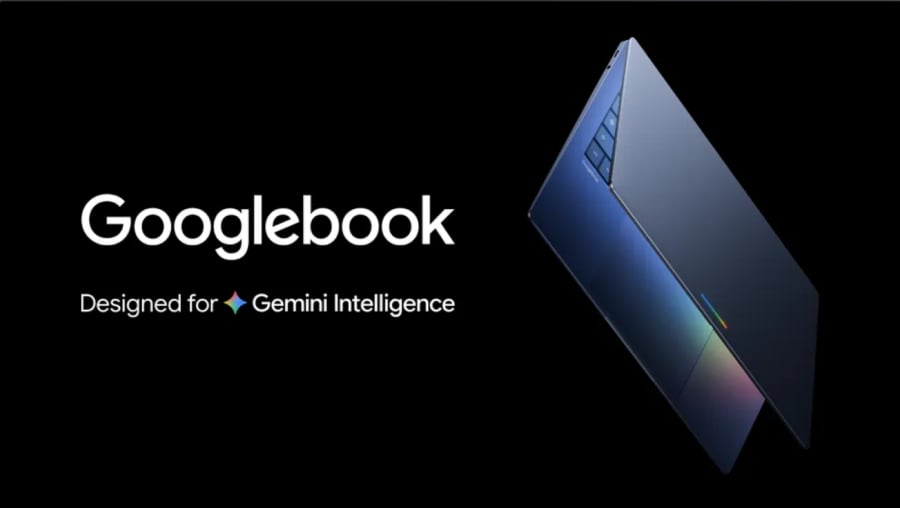
During its virtual event called The Android Show, Google announced a brand-new category of personal computers called the Googlebook. This announcement marks a significant departure from the company's previous laptop efforts, moving beyond the web-first Chromebooks that debuted in 2011. The Googlebook is positioned as a major evolutionary step, built to place artificial intelligence (AI) at the center of the daily user experience, particularly through Google's Gemini intelligence system.
According to a Google blog post by Senior Director Alex Kuscher, the company is looking to move past traditional setups. Over 15 years ago, we introduced the Chromebook, a laptop built for a cloud-first world. As computing shifts toward AI, we see an opportunity to rethink laptops again. Rather than relying purely on ChromeOS, Googlebooks will run on a modern operating system that blends elements of ChromeOS with the Android tech stack. This hybrid approach allows the devices to leverage the vast Android app ecosystem while maintaining the security and simplicity of ChromeOS.
The Magic Pointer and AI-Driven Interaction
The standout software feature of the Googlebook is a reimagined cursor experience called the Magic Pointer. Developed in collaboration with the Google DeepMind team, the feature activates a full-screen Gemini AI experience when a user wiggles their mouse cursor. The AI analyzes what is currently displayed on the screen to offer context-aware suggestions. For instance, pointing the cursor at a date in an email lets users instantly schedule a calendar appointment. Technical demonstrations also showed the Magic Pointer selecting multiple images and instantly visualizing them together, enabling workflows that were previously cumbersome.
The laptops will also feature Magic Cue, a tool transitioned from Pixel smartphones that suggests actions based on the context of messages and emails. Additionally, users can leverage a Create your Widget tool, which uses natural language prompts to assemble a personalized desktop dashboard drawing from the live web and connected Google accounts like Gmail and Calendar. This level of integration represents a fundamental shift in how users interact with their computers, moving from manual input to anticipatory assistance.
More Must-Read AI Coverage
- SS&C Intralinks DealCentre AI vs. Datasite: Which platform is built for the future of dealmaking?
- SS&C Intralinks FundCentre AI vs. Juniper Square: Which platform better supports modern private markets fund managers?
- Why Data, Not Models, Determines AI Success
- The Rise of the AI-Native Factory: How Physical AI Is Transforming Manufacturing
Deep Android Integration
By utilizing an underlying Android-based software architecture, Googlebooks aim to deliver a highly interconnected multi-device ecosystem. Users will be able to access the Google Play Store to run Android apps natively on their laptops. For apps that are not installed locally, a dedicated taskbar button will allow users to stream applications directly from a nearby Android smartphone into a floating window on the laptop screen. Sharing files across devices has also been streamlined via a feature called Quick Access.
Kuscher highlighted the convenience of the tool, writing, We are also making it incredibly easy to access files from your phone right from your Googlebook's file browser. With Quick Access, you can easily view, search or insert your phone's files on your laptop — no transfers needed. This seamless integration extends to notifications, clipboard sharing, and even phone calls, making the Googlebook a natural hub for Android users. The deep Android integration also means that developers can bring their existing Android apps to the laptop with minimal modifications, potentially giving Googlebook a rich library of software at launch.
Premium Hardware and the Mystery Glowbar
While Google has not announced plans to manufacture its own first-party Googlebook hardware, the company is partnering with major industry manufacturers, including Acer, ASUS, Dell, HP, and Lenovo. These partners are expected to produce a range of devices that adhere to Google's specifications, ensuring a consistent experience across brands. To differentiate the devices from traditional laptops, every Googlebook will feature a distinct, illuminated LED strip on its lid known as a glowbar. While reminiscent of the battery-indicator light bars found on older Google hardware, Google has only stated that the new glowbar is functional and beautiful without yet disclosing its specific day-to-day capabilities.
The glowbar could potentially serve as a visual notification system, a status indicator for AI processing, or even a subtle branding element. Its exact purpose remains a mystery, but it underscores Google's commitment to creating a unique identity for the Googlebook line. The devices are expected to sit in the mid-to-premium laptop category, offering higher build quality and more advanced features compared to budget Chromebooks. Early indications suggest that pricing will reflect this positioning, with models likely starting around $800 to $1,000.
Historical Context: From Chromebook to Googlebook
To understand the significance of the Googlebook, it is helpful to look back at the evolution of Google's laptop efforts. The first Chromebooks launched in 2011 as lightweight, web-centric machines designed for a world where most tasks could be performed in a browser. They offered simplicity, security, and affordability, making them popular in education and enterprise settings. However, as computing demands evolved and AI became more central, the limitations of a purely web-based approach became apparent.
Chromebooks struggled with native app support and offline capabilities, leading Google to gradually integrate Android app compatibility through Google Play. The Googlebook takes this integration to its logical conclusion by building the operating system on top of Android components while retaining the ChromeOS security model. This hybrid architecture allows the devices to run Android apps natively, support Linux applications, and even stream Windows apps via partnerships, making them far more versatile than previous Chromebooks.
The timing of the Googlebook launch is also strategic. AI-powered features like Magic Pointer and Magic Cue leverage Google's extensive investments in machine learning, particularly through the Gemini model. By embedding AI deeply into the operating system, Google aims to differentiate the Googlebook from competitors like Microsoft's Copilot+ PCs and Apple's increasingly intelligent Macs. The ability to seamlessly integrate with Android smartphones also strengthens Google's ecosystem play, offering a unified experience across devices.
Market Implications and Future Outlook
The introduction of the Googlebook represents a bold move by Google to reclaim relevance in the premium laptop market. While Chromebooks have found success in budget segments, they have struggled to compete with Windows and macOS devices for high-end users. The Googlebook, with its AI-first approach and premium hardware, could appeal to professionals, creatives, and tech enthusiasts who are already invested in the Google ecosystem.
Partnerships with established manufacturers like Dell, HP, and Lenovo ensure that the Googlebook will have wide distribution and multiple form factors, including perhaps a foldable or detachable model. The reliance on a common reference design, including the glowbar, means that consumers can expect a consistent experience regardless of the brand. However, the success of the Googlebook will ultimately depend on how well the AI features work in practice and whether developers embrace the platform.
Privacy and security remain concerns, as AI integration often requires access to personal data. Google has not yet detailed how user data is handled on the Googlebook, but the company has a track record of implementing strong security measures in ChromeOS. The use of on-device AI processing, where possible, could alleviate some privacy fears. Additionally, the ability to run Android apps opens up a vast library of software, but the experience of running mobile apps on a laptop screen may not always be optimal. Google will need to provide tools for developers to adapt their apps for larger displays and keyboard input.
The Googlebook is still in the preview stage, with more details coming closer to launch later this year. No official pricing or specifications have been released yet, but the company has indicated that the devices will sit in the mid-to-premium laptop category rather than the budget Chromebook segment. The absence of a Google-manufactured first-party device is notable, but it allows the company to focus on software and ecosystem integration while leveraging the manufacturing expertise of its partners.
Source: TechRepublic News