

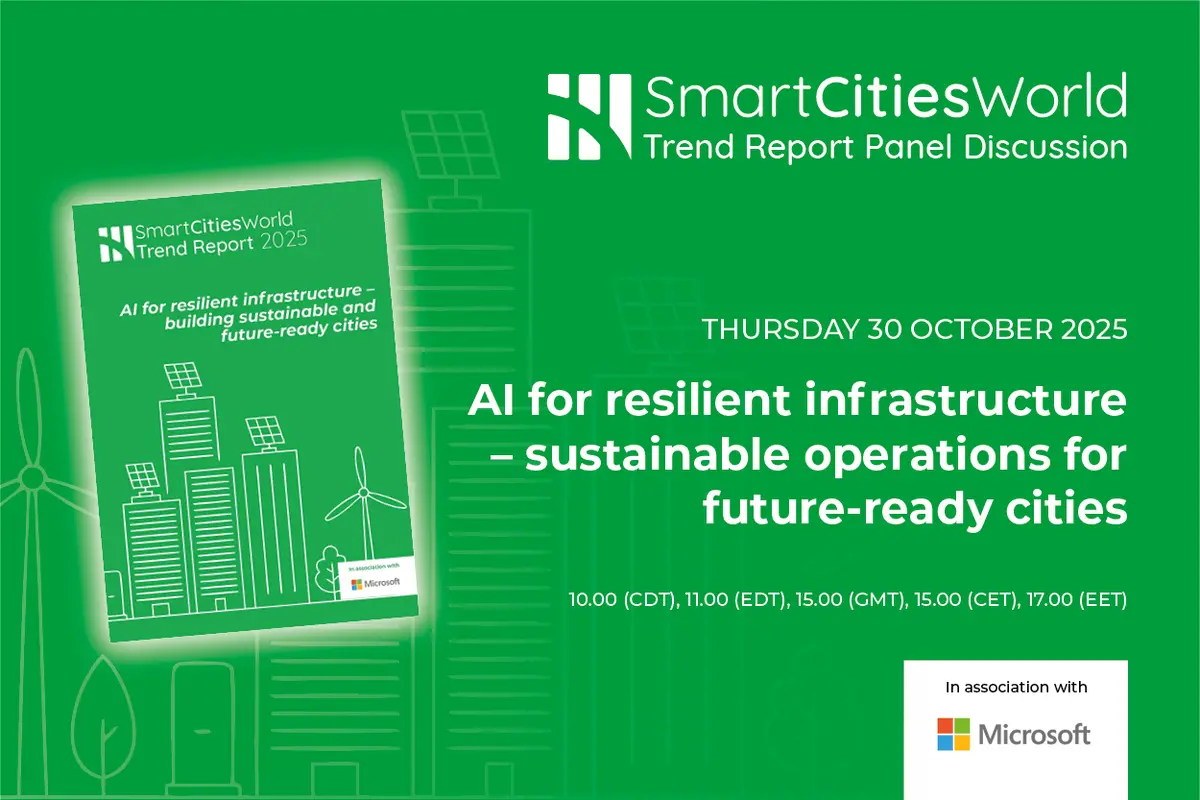
Urban infrastructure is undergoing a profound transformation as cities worldwide embrace artificial intelligence (AI) and digital twin technologies to enhance efficiency, resilience, and sustainability. These innovations are no longer theoretical; they are being deployed in transport networks, lighting systems, building management, and broader urban planning to create future-ready cities that can adapt to growing populations, climate change, and evolving societal needs. This article synthesizes insights from a recent trend report panel discussion, expert commentary, and city case studies to provide a comprehensive view of how AI is reshaping the urban landscape.
AI and Digital Twins: The New Blueprint for Urban Infrastructure
Digital twins—virtual replicas of physical assets, processes, and systems—are increasingly used in combination with AI to simulate, predict, and optimize city operations. By integrating real-time data from sensors, IoT devices, and historical records, these twins enable urban managers to visualize scenarios, reduce downtime, and improve service delivery. For example, transport networks can test congestion mitigation strategies, water systems can detect leaks before they become crises, and energy grids can balance load more effectively. This symbiotic relationship between data and AI empowers cities to move from reactive to proactive management, ultimately improving outcomes for communities and passengers.
The panel discussion highlighted several key applications: supporting day-to-day operations in urban transport, enabling long-term planning, and fostering community engagement through transparent data. AI algorithms can analyze vast amounts of data to identify patterns, predict demand, and autonomously adjust traffic signals, bus schedules, or train frequencies. The result is a more fluid, reliable transit experience that reduces emissions and travel times. Beyond transport, digital twins assist in emergency response, waste management, and public safety.
Expert Insights: Interoperability, Inclusivity, and Human Oversight
Cristina Bueti of the International Telecommunication Union (ITU) emphasized during the discussion that cities must prioritize interoperability, inclusivity, and human oversight now—before fragmented systems and vendor lock-in define the future of urban AI. She warned that without common standards, different systems and devices from various vendors may fail to communicate, creating silos that undermine efficiency and transparency. Interoperability ensures that a city’s digital infrastructure remains flexible and scalable, allowing new technologies to integrate seamlessly over time.
Inclusivity is equally critical. AI systems trained on biased data can inadvertently marginalize communities, especially those with limited digital access. Bueti argued that urban AI must be designed with diverse stakeholders in mind, including vulnerable populations, to ensure equitable service delivery. Finally, human oversight remains indispensable. Automated decisions, such as traffic enforcement or resource allocation, must be auditable and reversible. Cities should establish governance frameworks that keep humans in the loop, especially for high-stakes applications like emergency response or policing.
Designing for Upstream Resilience and Downstream Benefit
Heinz von Eckartsberg from the global architecture and design firm Woods Bagot, along with Pablo Sepulveda of Impact Future, discussed the concept of designing cities for upstream resilience and downstream benefit. Upstream resilience involves anticipating risks—such as floods, heatwaves, or cyberattacks—and building systems that can withstand or quickly recover from shocks. For example, infrastructure can incorporate porous pavements to reduce flooding, or distributed energy microgrids to maintain power during outages. These measures not only protect assets but also reduce long-term costs.
Downstream benefits emerge when resilience investments create positive ripple effects. A green roof that absorbs stormwater also reduces urban heat island effect, improves air quality, and provides recreational space. Similarly, a digital twin that monitors bridge vibrations can extend asset life and ensure public safety. Von Eckartsberg and Sepulveda stressed that cities should evaluate projects not only for their primary function but for their multi-dimensional co-benefits. This approach requires collaboration across departments—transport, environment, housing, and technology—to break down traditional silos.
City Profiles: Sunderland and Dublin Lead the Way
The report also featured detailed city profiles that exemplify these principles in action. Sunderland, UK, is repositioning itself as a leading smart city by leveraging digital infrastructure and low-carbon innovation. The city has implemented a range of initiatives: intelligent street lighting that adjusts brightness based on pedestrian activity, sensor networks for air quality monitoring, and a digital platform that consolidates data across public services. These efforts support a resilient, future-focused economy while reducing carbon emissions. Sunderland’s approach underscores the importance of public-private partnerships and community engagement in smart city transitions.
Dublin, Ireland, is similarly innovating to improve experiences and services for its communities. The city has launched several digital twin projects aimed at traffic reduction, economic growth, and better urban planning. One notable initiative uses a 3D model of the city center to simulate pedestrian flows and optimize street design for safer walking and cycling. Dublin also integrates real-time data from buses, bike-sharing systems, and parking meters to dynamically manage traffic signals, reducing congestion and travel times. These projects demonstrate how incremental improvements, guided by data, can lead to significant quality-of-life gains.
Smart Lighting and Sensor Networks
A recurring theme in the report is the transformation of streetlight networks into secure, interoperable, and future-proof infrastructure. A dedicated podcast mini-series called “Cities Thriving on Lighting,” produced by SmartCitiesWorld and Paradox Engineering, examines this evolution via a journey of LEDs, connectivity, and interoperability. The first episode traces the shift from traditional light bulbs to energy-efficient LEDs, which already reduce energy consumption by up to 70%. However, the real value emerges when these lighting poles are equipped with sensors, Wi-Fi hotspots, and edge computing units. Such networked lights can monitor traffic, collect environmental data, and even detect gunshots or fires.
The second episode dives deeper into the technology and considerations for creating interoperable systems. Currently, many cities face vendor lock-in, where proprietary protocols prevent integration with other city systems. The podcast advocates for open standards and modular designs that allow different components to communicate seamlessly. This approach not only lowers costs but also enables cities to adapt to emerging needs without replacing entire systems.
The Citiverse and Virtual Worlds
The UN Virtual Worlds Day event, as highlighted by Paul Wilson, explores how AI, spatial intelligence, and the Citiverse ecosystem can be turned into trusted, people-centred outcomes. The Citiverse refers to the interconnected virtual replicas of cities that simulate physical and social systems. By participating in events like Virtual Worlds Day, stakeholders can shape the governance, ethics, and technical standards that will define how these digital spaces evolve. Wilson invites city leaders, technologists, and citizens to join the conversation to ensure that virtual worlds serve public interest rather than private profit. This is particularly important as spatial computing and augmented reality become more integrated into everyday city life.
Indoor Safety and Smart Buildings
Beyond outdoor infrastructure, smart sensor networks are improving indoor safety. These systems detect risks early—such as smoke, carbon monoxide, or unauthorized intrusion—and improve situational awareness through real-time alerts. Advanced analytics can even identify anomalies in temperature or air quality that may indicate mold or equipment failure. Healthier, more secure, and sustainable buildings result from such proactive monitoring. For example, office buildings can adjust ventilation based on occupancy, reducing energy waste while keeping occupants comfortable. Similar principles apply to hospitals, schools, and factories.
On-Demand Webinars and Resources
To support practitioners in implementing these technologies, the trend report directs readers to on-demand webinars. One covers “Getting your data strategy right for smarter sites and safer operations,” emphasizing the need for solid data governance, security, and privacy frameworks. Another focuses on “How sensors, AI, and digital twins can shape the future of urban transport,” providing practical case studies and deployment guidelines. Additionally, SmartCitiesWorld offers newsletters (daily and weekly) that curate recent news, city interviews, special reports, and guest opinions. These resources help urban professionals stay current with rapid advancements and best practices.
As cities continue to grow and face complex challenges, the integration of AI and digital twins offers a pathway to more resilient, sustainable, and livable urban environments. The insights from this trend report panel discussion underline the importance of interoperability, inclusivity, human oversight, and upstream design. Real-world examples from Sunderland, Dublin, and others show that these ideas are already taking shape. By investing in smart lighting, sensor networks, and the emerging Citiverse, cities can build infrastructure that not only meets today’s needs but adapts to tomorrow’s uncertainties. The key is to act now, with collaboration and foresight, to avoid fragmented systems and lock-in effects that would limit future innovation.
Source: Smart Cities World News