

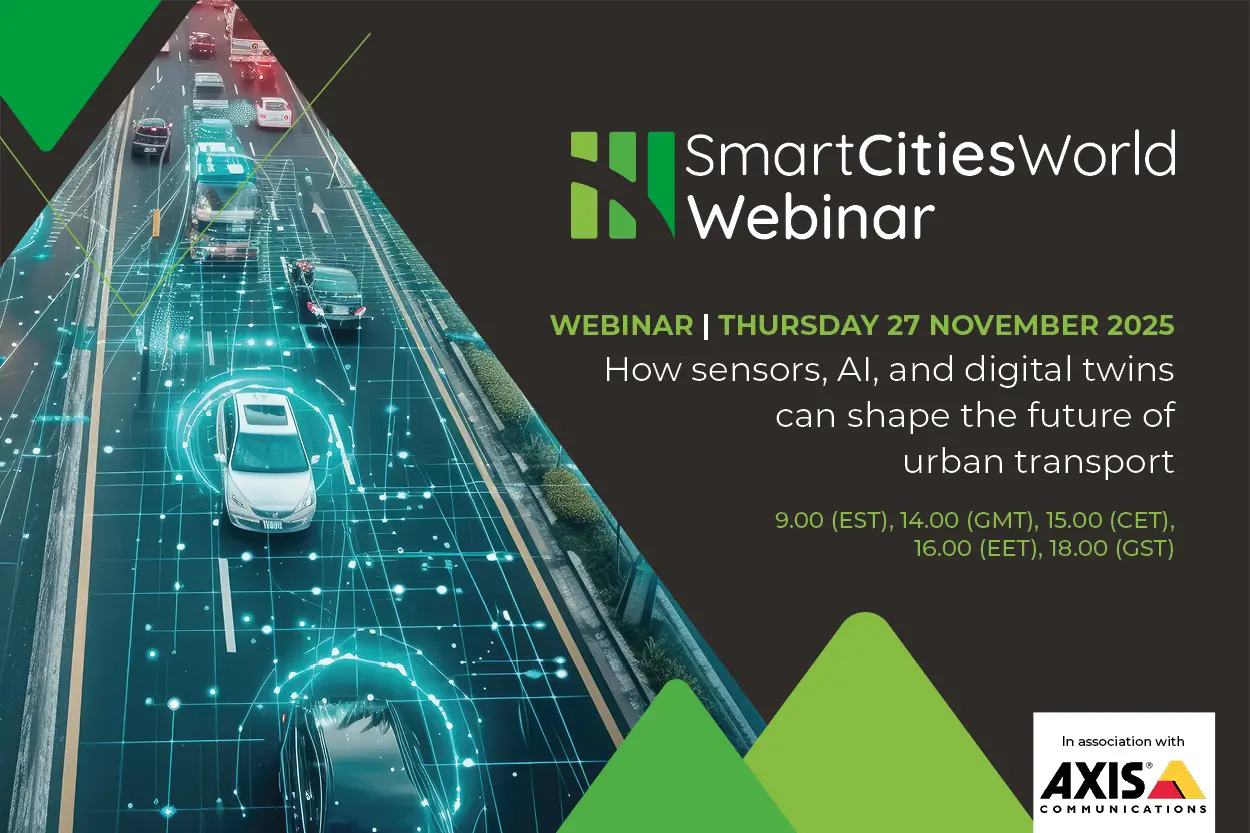
The integration of sensors, artificial intelligence, and digital twin technology is poised to redefine urban transport networks worldwide. These innovations offer city planners and operators unprecedented capabilities to monitor, simulate, and optimize complex systems, leading to improved efficiency, resilience, and sustainability. By creating virtual replicas of physical infrastructure, digital twins allow stakeholders to test scenarios, predict outcomes, and make data-driven decisions that enhance daily operations and long-term planning.
The Role of Sensors and AI in Urban Transport
Modern cities generate vast amounts of data from a multitude of sensors embedded in traffic lights, vehicles, roadways, and public transit systems. Artificial intelligence algorithms process this information to identify patterns, forecast demand, and recommend interventions. For instance, AI can optimize signal timings to reduce congestion, predict maintenance needs to prevent breakdowns, and even adjust transit schedules in real time based on passenger flow. The combination of edge computing and cloud-based analytics ensures that insights are delivered quickly and reliably, enabling proactive management of urban mobility.
Beyond day-to-day operations, these technologies support strategic planning by simulating long-term impacts of infrastructure changes. Planners can evaluate the effects of new bike lanes, bus rapid transit corridors, or congestion pricing schemes without disrupting actual traffic. This reduces risk and allows for more informed investment decisions. Moreover, sensor networks provide continuous feedback, creating a feedback loop that refines models over time.
Digital Twins: Virtual Replicas for Real-World Impact
A digital twin is a dynamic, real-time digital representation of a physical system. In urban transport, this means a virtual model of roads, railways, bridges, and traffic flows that mirrors its real-world counterpart. Data from sensors feeds into the twin, which then simulates conditions and predicts future states.
Cities like Sunderland are positioning themselves as leading smart cities by deploying digital infrastructure and low-carbon innovations. Their city profile highlights how digital twins help build a resilient, future-focused economy. Similarly, Dublin is using digital twin projects to improve community experiences, reduce traffic, and stimulate economic growth. By testing interventions in a virtual environment first, these cities avoid costly mistakes and ensure that solutions are effective before implementation.
The technology also enables real-time monitoring of structural health, energy consumption, and environmental conditions. For example, a digital twin of a bridge can detect stress points and alert authorities to potential failures before they become critical. This predictive capability is essential for maintaining safety and extending asset lifecycles.
Interoperability and Inclusivity: Key Principles for Urban AI
As cities adopt AI and digital twins, they must address the challenges of interoperability and vendor lock-in. Cristina Bueti of the International Telecommunication Union (ITU) emphasizes the importance of prioritizing open standards and inclusive design from the outset. Without coordinated action, fragmented systems could define the future of urban AI, limiting flexibility and creating silos that hinder holistic management.
Inclusivity means ensuring that the benefits of smart transport technologies reach all communities, including those without access to private vehicles or digital devices. Human oversight remains critical to prevent bias in AI algorithms and to maintain accountability. By embedding ethical considerations into technology deployments, cities can build trust and ensure that innovations serve the public good.
Designing for Upstream Resilience and Downstream Benefit
Heinz von Eckartsberg of Woods Bagot and Pablo Sepulveda of Impact Future argue that cities should design for upstream resilience to generate downstream benefits. This approach involves anticipating future shocks—such as climate events, population shifts, or technological disruptions—and building adaptive capacity into infrastructure from the start. For transport systems, this means incorporating redundancy, flexible design, and modular components that can be upgraded as needs evolve.
Downstream benefits include reduced lifecycle costs, improved service quality, and enhanced quality of life. By thinking long-term, cities avoid the trap of short-term fixes that become obsolete quickly. Digital twins play a key role here by allowing planners to test resilience scenarios and identify vulnerabilities before they materialize.
Smart Lighting as Foundational Infrastructure
Streetlight networks are emerging as a foundational element of smart city infrastructure. The ongoing podcast mini-series "Cities Thriving on Lighting" explores how these networks can be transformed into secure, interoperable, and future-proof platforms. The first episode traces the evolution of smart lighting from LEDs to connectivity and interoperability. The second episode delves into the technical considerations for upgrading existing systems.
Beyond illumination, smart lighting poles can host sensors for traffic monitoring, air quality measurement, and public Wi-Fi. They become nodes in a city-wide Internet of Things (IoT) network, collecting data that feeds into digital twins and AI models. This convergence of lighting and data infrastructure reduces the need for separate deployments and accelerates the rollout of smart city capabilities.
Indoor Safety and Sensor Networks
Sensor networks are also improving safety inside buildings. Smart sensors can detect risks such as gas leaks, fires, or unauthorized access early, enabling rapid response. In transport terminals like airports and train stations, these systems enhance situational awareness and support healthier, more secure environments. When integrated with digital twins of buildings, facility managers can visualize threats and coordinate emergency procedures effectively.
Upcoming Events and Trend Reports
The field continues to evolve through knowledge-sharing initiatives. An on-demand trend report panel discussion on "AI for Resilient Infrastructure" examines sustainable operations for future-ready cities. Another upcoming COP30 webinar focuses on unlocking climate finance by building city capacity and partnerships. Additionally, the UN Virtual Worlds Day, as explained by Paul Wilson, will explore how AI, spatial intelligence, and the Citiverse ecosystem can deliver trusted, people-centred outcomes. These events highlight the global momentum behind integrating digital technologies into urban management.
SmartCitiesWorld newsletters provide daily or weekly updates on the latest city interviews, special reports, and guest opinions, offering continuous learning opportunities for professionals committed to shaping the future of urban transport.
Source: Smart Cities World News