

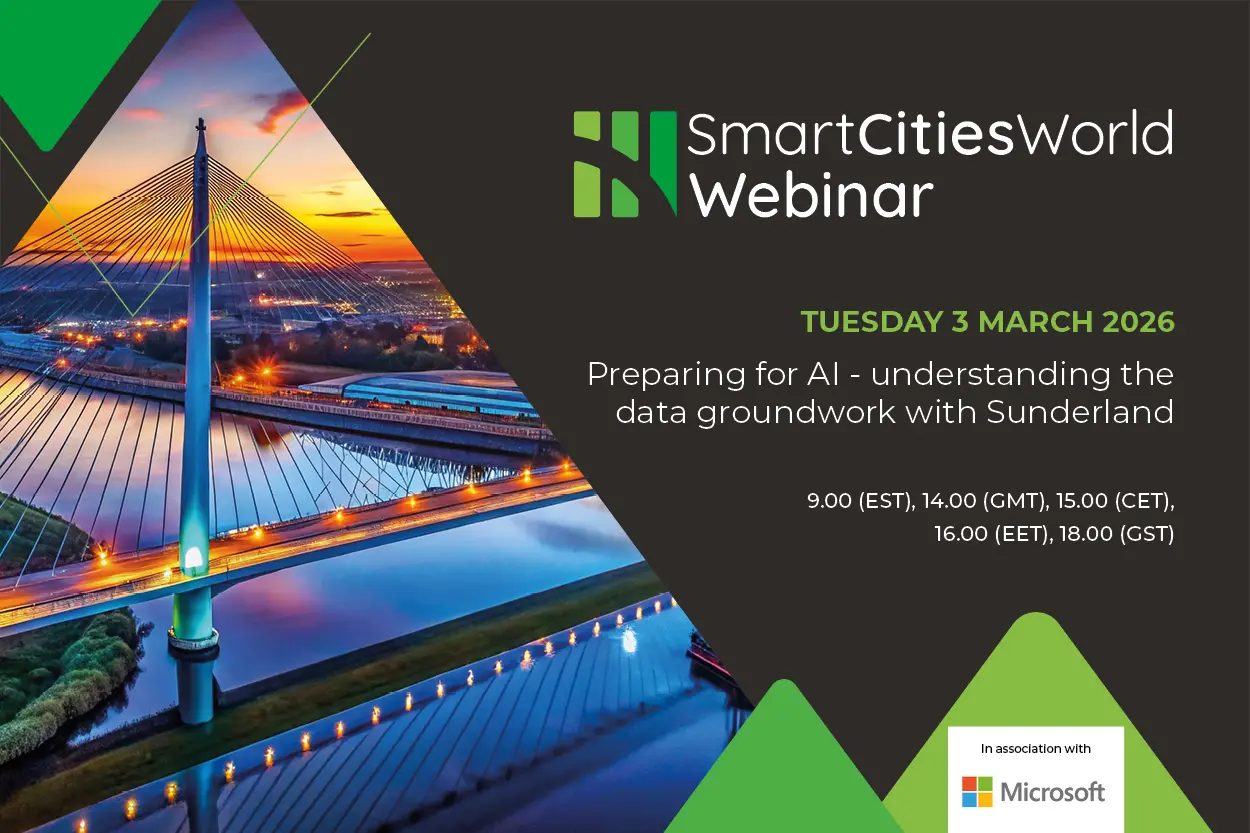
As artificial intelligence continues to reshape urban environments, the foundational requirement for success is clear: robust, interoperable data infrastructure. A recent on-demand webinar focusing on Sunderland's journey offers a deep dive into the essential steps cities must take to prepare for AI. The discussion highlighted that without a strong data groundwork, even the most advanced AI systems can fail to deliver meaningful outcomes. The session brought together city leaders, technologists, and urban planners to explore how data collection, management, and governance can be tailored to support AI-driven innovations like digital twins, smart transport, and intelligent lighting networks.
The Rise of AI-Powered Digital Twins
One of the most transformative applications of AI in cities is the digital twin—a virtual replica of a physical asset, system, or even an entire city. These twins are rapidly becoming the intelligent operating layer for urban infrastructure, enabling real-time monitoring, simulation, and predictive analytics. During the webinar, experts detailed how digital twins are being used to improve efficiency, resilience, and sustainability. By integrating data from sensors, IoT devices, and historical records, AI algorithms can foresee maintenance needs, optimize energy usage, and even simulate emergency responses. For example, a digital twin of a district's water network can detect leaks before they become critical, saving millions in repairs and reducing water waste. The key to unlocking these benefits, however, lies in the quality and accessibility of the underlying data. Cities must invest in sensor networks, data lakes, and standardized protocols to feed digital twins with accurate, timely information.
Transforming Urban Transport with Data and AI
Urban transport networks are another prime area where data and AI are driving change. The webinar explored how cities are using data to support planning, day-to-day operations, and improve outcomes for communities and passengers. Real-time traffic data from connected vehicles, GPS signals, and roadside sensors can be fed into AI models to optimize signal timings, reduce congestion, and predict delays. In some cities, AI-powered platforms are already enabling dynamic routing of public buses based on demand, drastically reducing wait times and operational costs. The session also emphasized the importance of integrating multimodal transport data—from trains to bike-sharing—to provide seamless mobility solutions. However, experts cautioned that these systems require careful data governance to ensure privacy and equity. For instance, data collection must be transparent, and the algorithms deployed should not inadvertently disadvantage certain neighborhoods or demographic groups.
Interoperability, Inclusivity, and Human Oversight
A critical perspective came from Cristina Bueti of the International Telecommunication Union (ITU), who stressed that cities must prioritize interoperability, inclusivity, and human oversight now—before fragmented systems and vendor lock-in define the future of urban AI. She argued that as cities rush to deploy AI, they risk creating siloed systems that cannot communicate with each other, leading to inefficiencies and missed opportunities. For example, a smart traffic system from one vendor might not work with a public safety AI from another, resulting in data gaps. To avoid this, Bueti promoted the adoption of open standards and platform-agnostic architectures. She also highlighted the need for inclusive design processes that involve citizens in shaping AI applications. Human oversight remains paramount: AI should augment, not replace, human decision-making in critical areas like emergency services and resource allocation. This call for a people-centered approach was echoed by many participants.
Designing for Upstream Resilience and Downstream Benefit
Woods Bagot’s Heinz von Eckartsberg and Impact Future’s Pablo Sepulveda offered a visionary take on designing cities for upstream resilience and downstream benefit. They argued that urban infrastructure must be conceptualized from the outset to anticipate future shocks—whether from climate change, pandemics, or economic shifts. This means embedding sensor networks, data analytics, and AI capabilities into the very fabric of buildings, bridges, and utilities. For example, a building designed with embedded sensors can continuously monitor structural health and automatically adjust ventilation or lighting to reduce energy consumption. The concept of 'upstream resilience' involves thinking ahead: investing now in flexible infrastructure that can adapt to new challenges, rather than retrofitting later at greater cost. The downstream benefits include not only operational savings but also improved quality of life for residents. This integrated design philosophy is becoming a cornerstone of modern smart city planning.
Sunderland’s Smart City Strategy
Sunderland itself is a compelling case study of how a mid-sized city can reposition itself as a leader in smart technology. Through its City Profile, the webinar detailed how Sunderland is using digital infrastructure and low-carbon innovation to build a resilient, future-focused economy. The city has deployed a network of IoT sensors across key public assets—streetlights, waste bins, and parking meters—to collect data on energy usage, waste levels, and traffic patterns. This data is then used to drive AI applications that reduce costs and improve services. For instance, smart waste bins communicate their fill levels to optimize collection routes, cutting fuel consumption and emissions. Sunderland has also launched a digital twin of its city center, allowing planners to simulate urban changes—such as new developments or traffic interventions—before committing resources. The city’s strategy emphasizes partnerships with universities and tech companies to ensure access to cutting-edge research and tools. This collaborative ecosystem is key to scaling AI solutions sustainably.
Dublin’s Innovation Journey
Similarly, Dublin has been innovating to improve experiences and services for its communities, as detailed in another City Profile. The Irish capital has invested heavily in digital twin projects, traffic reduction initiatives, and economic growth strategies. Dublin’s digital twin, for example, integrates data from thousands of sensors across the city to model air quality, noise levels, and pedestrian flows. This helps city planners design more livable neighborhoods and respond quickly to issues like air pollution spikes. Dublin has also leveraged AI to optimize its public transport network, using real-time passenger data to adjust bus frequencies and reduce wait times. The city’s smart traffic management system uses machine learning to predict congestion and suggest alternative routes to drivers. These innovations have not only improved efficiency but also made Dublin a more attractive place to live and work. The success of these projects underscores the importance of a strong data foundation and cross-departmental collaboration.
Smart Lighting as Foundational Infrastructure
An often-overlooked element of smart city data infrastructure is the humble streetlight. A podcast mini-series on lighting explored how cities can turn existing streetlight networks into secure, interoperable, and future-proof infrastructure. Modern LED streetlights can be equipped with sensors, cameras, and communication modules to serve as nodes in a city-wide IoT network. Beyond illumination, they can monitor traffic, detect gunshots, measure air quality, and provide public Wi-Fi. The first episode examined the evolution of smart lighting from simple LEDs to integrated connectivity. The key is to use open protocols and avoid vendor lock-in, so that the lighting network can support a wide range of future applications. For cities like Sunderland, upgrading streetlights with smart capabilities is a relatively low-cost way to kickstart a broader digital transformation. The data collected from these lights can feed into digital twins and AI systems, creating a virtuous cycle of insight and optimization.
UN Virtual Worlds Day: A People-Centred Approach
The intersection of AI and spatial intelligence is also being explored at the global level. The UN Virtual Worlds Day event aims to turn AI, spatial intelligence, and the Citiverse ecosystem into trusted, people-centred outcomes. Organizers have called for an inclusive dialogue that ensures these emerging technologies serve all citizens, not just tech-savvy elites. The Citiverse—a convergence of digital twins, virtual reality, and AI—promises to revolutionize how cities plan, manage, and engage with residents. However, as with any technology, there are risks of exclusion, surveillance, and data misuse. The UN event emphasizes the need for ethical guidelines, transparency in algorithms, and community involvement. These principles resonate strongly with the data groundwork theme: without clear governance frameworks, even the most advanced AI systems can undermine public trust.
Smart Sensor Networks for Indoor Safety
The applications of sensor data extend beyond outdoor infrastructure to indoor environments. A recent report highlighted how smart sensor networks can improve indoor safety by detecting risks early, improving situational awareness, and supporting healthier, more secure, and sustainable buildings. AI-powered sensors in offices, schools, and hospitals can monitor air quality, occupancy, and structural vibrations. They can detect smoke, gas leaks, or unauthorized entry and automatically trigger alarms or notify security. In the context of smart cities, these indoor networks are increasingly integrated with outdoor systems, providing a seamless safety blanket. For example, if a sensor detects a fire in a building, the data can be shared with emergency services and traffic management systems to ensure a rapid response and clear routes. Such integration relies on data interoperability and robust cloud platforms.
Upcoming Webinar on AI and Data in Transport
Looking ahead, a trend report webinar scheduled for 19 May will delve deeper into how AI and data are transforming transport operations and services. This event promises to bring together industry leaders, city officials, and researchers to share best practices and emerging trends. Topics will include predictive maintenance of fleet vehicles, AI-driven traffic simulations, and the role of data in encouraging modal shifts away from private cars. The insights from this upcoming session will further enrich the conversation on data groundwork, particularly the need for real-time data sharing between public and private transport operators.
Digital Twins and AI as the Intelligent Operating Layer
An on-demand panel discussion titled 'Digital Twins and AI as the Intelligent Operating Layer for Cities' provided additional depth. Panelists argued that digital twins are not just visualization tools but active operational systems that can manage city functions autonomously. By integrating AI with digital twins, cities can create a feedback loop where simulations inform real-time decisions, and outcomes refine future simulations. This requires a robust data layer that spans multiple domains—energy, transport, waste, water—and ensures consistency and accuracy. The panel also discussed the importance of cybersecurity in protecting these data ecosystems. As cities become more connected, they also become more vulnerable to cyberattacks. Therefore, data groundwork must include encryption, access controls, and continuous monitoring.
In summary, preparing for AI in cities demands a strategic focus on data infrastructure, interoperability, and human-centric governance. Sunderland’s proactive approach, along with examples from Dublin and global initiatives, illustrates that the path to a smarter future is paved with good data practices. The journey is complex but essential for building efficient, resilient, and sustainable urban environments for all.
Source: Smart Cities World News