

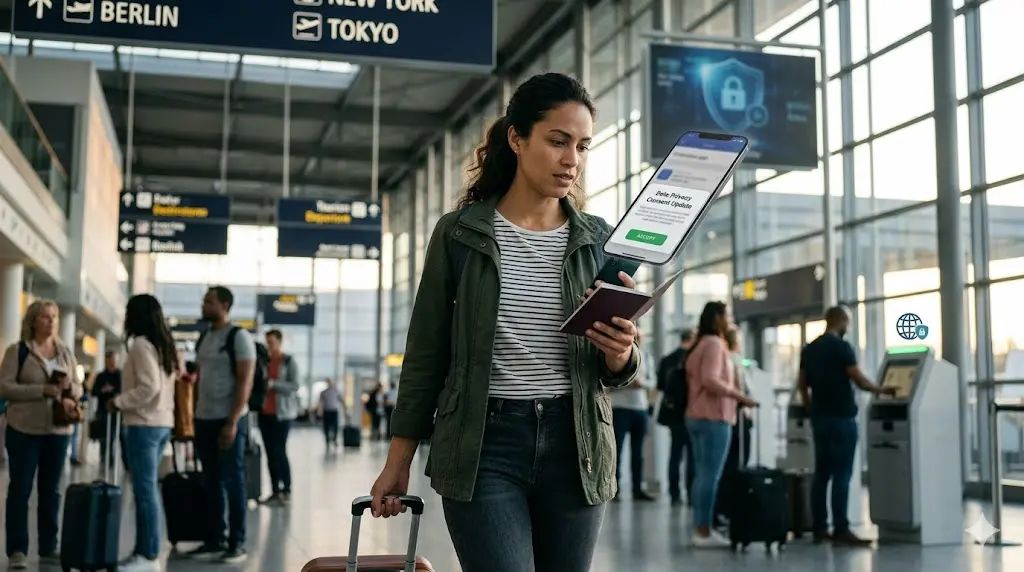
People are traveling more carefully now, and data privacy is a big reason why. Travelers no longer just compare prices or hotel reviews. They also think about how airlines, booking apps, hotels, and tourism companies collect and use personal information. Research on data privacy in tourism shows that trust has become almost as valuable as affordability.
Data privacy is reshaping tourism because travelers want safer digital experiences, transparent booking systems, and better control over personal information. Tourism brands that protect customer data are gaining stronger loyalty, better reviews, and higher international engagement in 2026.
Why Data Privacy Is Reshaping the Global Tourism Industry has become one of the most discussed topics among tourism researchers, travel companies, and digital policy experts. You can actually see the shift happening in real time. Travelers now ask questions that barely mattered a decade ago: Who stores my passport data? Is my payment secure? Will my travel app track my location after my trip ends?
Here's the thing. Tourism is no longer just physical movement between countries. It's deeply tied to digital systems. Flights, hotel reservations, digital visas, mobile check-ins, facial recognition at airports, and AI-powered travel recommendations all rely on personal data. In my experience, most travelers don't mind sharing data if they trust the company handling it. That trust, though, is getting harder to earn.
What Is Research on Data Privacy in Global Tourism?
Research on data privacy in tourism explores how travel companies collect, manage, protect, and sometimes misuse personal information from travelers worldwide. It also studies how consumer trust changes travel behavior.
Definition Box
Data Privacy in Tourism: The protection and ethical handling of personal traveler information collected through tourism services, apps, bookings, and digital travel systems.
Modern tourism runs on information. Airlines know your travel history. Hotels store your identification documents. Travel apps monitor location preferences. Some smart tourism cities even analyze crowd movement through connected devices.
What most people overlook is how interconnected these systems have become. A single international trip might involve airlines, embassies, insurance providers, transportation apps, hotels, and digital payment companies sharing traveler information across multiple countries.
That creates convenience, sure. But it also creates risk.
According to global tourism studies published through international travel research organizations, travelers increasingly avoid services they believe misuse personal information. Younger travelers especially tend to value privacy transparency almost as much as pricing flexibility.
A few years ago, most travelers worried about delayed flights. Now they're also worried about leaked passport scans and stolen payment details. That's a major cultural shift.
Expert Tip
If you're running a tourism business, simplify your privacy policy instead of making it longer. Most users never read complex legal language. Plain explanations usually build more trust.
Why Data Privacy Matters in 2026
Data privacy matters more in 2026 because tourism has become fully digital. Travelers expect fast online services, but they also expect stronger protection.
You can already see this happening in airports worldwide. Biometric boarding systems, AI-powered visa verification, and personalized travel apps are becoming common. These systems improve efficiency, but they collect enormous amounts of sensitive information.
Here's the strange part: convenience and privacy are now competing with each other.
Many travelers enjoy contactless check-ins and smart hotel rooms. At the same time, they worry about surveillance and long-term data storage. That's probably why tourism companies are investing heavily in cybersecurity and privacy-focused technologies.
In my opinion, tourism brands that ignore privacy concerns are making a serious long-term mistake. Travelers forgive delayed baggage faster than they forgive data breaches.
A Realistic Example
Imagine two travel booking platforms.
One platform offers slightly cheaper prices but hides data collection practices deep inside lengthy terms and conditions. Another platform openly explains what data it collects, why it collects it, and how users can delete it.
Most travelers, especially international travelers, will probably choose the second platform even if prices are a bit higher. Research keeps pointing in that direction.
The Rise of Privacy-Conscious Tourism
Privacy-conscious tourism is becoming a real trend. Some travelers now specifically search for:
Secure travel booking systems
Anonymous payment options
Minimal data collection policies
Encrypted communication platforms
Privacy-friendly accommodation services
That's not just a tech trend. It's changing customer expectations across the tourism industry.
Expert Tip
Travel businesses should treat cybersecurity as part of customer service, not just IT management. A secure booking experience directly affects customer loyalty.
How to Build Trust Through Data Privacy in Tourism
Tourism companies that want long-term success need practical privacy strategies. Here's a step-by-step approach that actually works.
1. Be Transparent About Data Collection
Tell travelers exactly what information is collected and why.
Short explanations work better than complicated legal pages. People appreciate honesty. Even basic transparency can improve trust levels significantly.
2. Reduce Unnecessary Data Requests
Some travel companies ask for far more information than they need. That's a mistake.
If a booking only requires basic identification, don't request extra details that serve little purpose. Travelers notice when companies overcollect information.
3. Improve Security Systems
Strong encryption, secure payment gateways, and multi-factor authentication matter more than flashy app features.
Here's what most guides miss: users rarely praise good security publicly, but they definitely remember bad security failures.
4. Give Users Data Control
Travelers should be able to:
Access their stored information
Edit incorrect details
Delete old accounts
Manage tracking permissions
Download personal records
Simple controls create stronger confidence.
5. Train Staff Properly
Technology alone won't solve privacy issues. Human mistakes still cause many data leaks.
Hotels, airlines, and travel agencies need proper employee training on data handling procedures.
Common Misconception About Tourism Privacy
More Data Doesn't Always Improve Customer Experience
This might sound counterintuitive, but collecting excessive customer data can actually damage personalization efforts.
Some tourism companies believe unlimited data collection automatically creates better recommendations. In reality, too much tracking often makes travelers uncomfortable.
I've personally seen users abandon travel apps simply because notifications became too intrusive. There's a line between personalization and digital overreach, and many companies still struggle to recognize it.
Travelers generally want convenience, not surveillance.
How International Travel Is Changing Because of Privacy Laws
Governments worldwide are introducing stricter privacy regulations, and tourism companies must adapt quickly.
European privacy laws influenced global tourism platforms significantly. Other regions are following similar approaches. Airlines, hotel chains, and travel agencies now face more pressure to explain how they store customer information.
That shift is creating both opportunities and challenges.
Smaller tourism companies sometimes struggle with compliance costs. Larger brands invest millions into cybersecurity infrastructure. Meanwhile, travelers are becoming more aware of their rights.
Mini Case Study
A mid-sized travel agency introduced a privacy-first booking experience with simplified consent settings and visible security explanations.
Within one year, customer retention improved noticeably. Repeat bookings increased because travelers felt safer using the platform repeatedly.
Funny enough, the agency didn't drastically change prices or services. Trust itself became the competitive advantage.
Expert Tip
Visible privacy certifications and clear customer support channels can reduce traveler hesitation during online bookings.
Why Younger Travelers Care More About Privacy
Gen Z and younger millennial travelers are reshaping tourism expectations.
They grew up using digital platforms daily, so they're more aware of how companies track online behavior. That awareness changes travel habits.
Many younger travelers prefer:
Apps with transparent permissions
Temporary data storage
Encrypted communication tools
Secure mobile payments
Privacy-friendly social sharing options
Here's the interesting part. Younger travelers still enjoy digital convenience. They simply want more control over how their information is used.
That balance will define tourism innovation moving forward.
The Unexpected Link Between Privacy and Tourism Growth
Most people assume stricter privacy rules slow tourism growth. Research actually suggests something more complicated.
Strong privacy protection can increase traveler confidence.
When tourists trust booking systems, payment gateways, and digital identification processes, they're more comfortable planning international trips online. Better privacy standards can indirectly support tourism expansion.
That's a pretty surprising shift from older business thinking, where companies treated privacy compliance as an obstacle rather than a growth factor.
Expert Tips and What Actually Works
After reviewing global tourism trends and traveler behavior patterns, a few practical lessons stand out.
First, privacy messaging needs to feel human. Automated legal language usually creates suspicion instead of trust.
Second, travel companies should stop treating privacy pages as hidden documentation. Travelers actively look for this information now.
Third, security updates shouldn't happen quietly. Companies that communicate privacy improvements openly often gain stronger customer confidence.
And honestly, here's my hot take: some tourism brands still underestimate how emotionally personal travel data feels to users. Your passport information, family itinerary, hotel locations, and payment details represent your real-world movements. People naturally care about protecting that.
People Most Asked About Why Data Privacy Is Reshaping the Global Tourism Industry
Why is data privacy important in tourism?
Data privacy matters because tourism companies collect sensitive information like passports, payment details, travel history, and location data. Travelers want assurance that this information stays protected and isn't misused.
How do data breaches affect tourism companies?
Data breaches damage trust quickly. Travelers may stop using platforms after security incidents, especially if companies respond poorly or hide details from customers.
Are travelers becoming more privacy-conscious?
Yes, especially younger travelers and frequent international travelers. Many now research privacy practices before booking travel services online.
What technologies raise privacy concerns in tourism?
Facial recognition systems, travel tracking apps, biometric check-ins, AI recommendation engines, and smart hotel technologies often raise privacy concerns because they collect large amounts of personal data.
Can strong privacy policies improve tourism business growth?
In many cases, yes. Companies with transparent privacy practices often build stronger customer loyalty and repeat bookings over time.
How can travelers protect their data while traveling?
Travelers can use secure Wi-Fi connections, enable two-factor authentication, avoid suspicious booking platforms, and review app permissions carefully before sharing information.
Is tourism becoming too dependent on data collection?
Some experts believe so. While digital tools improve convenience, excessive data collection can reduce traveler trust if companies fail to maintain transparency.
Final Thoughts
Why Data Privacy Is Reshaping the Global Tourism Industry isn't just a temporary trend. It's changing how travelers choose destinations, booking platforms, and travel services worldwide. Tourism companies that prioritize trust, transparency, and secure digital experiences will probably perform better in the long run.
What most people overlook is this: travelers don't simply buy flights or hotel rooms anymore. They're buying confidence. And confidence depends heavily on how safely their information is handled.
Businesses aiming to boost brand visibility and organic traffic can benefit from global newswire services combined with digital marketing company solutions that support instant publishing, SEO ranking, and high authority backlinks. These services help startups, agencies, and bloggers gain stronger media coverage while building long-term online credibility through strategic PR distribution services and performance-focused campaigns.